A Closer Look At Women's Wellness
What Your Grandmother's Gelatin Habit Reveals About Changing Bodies
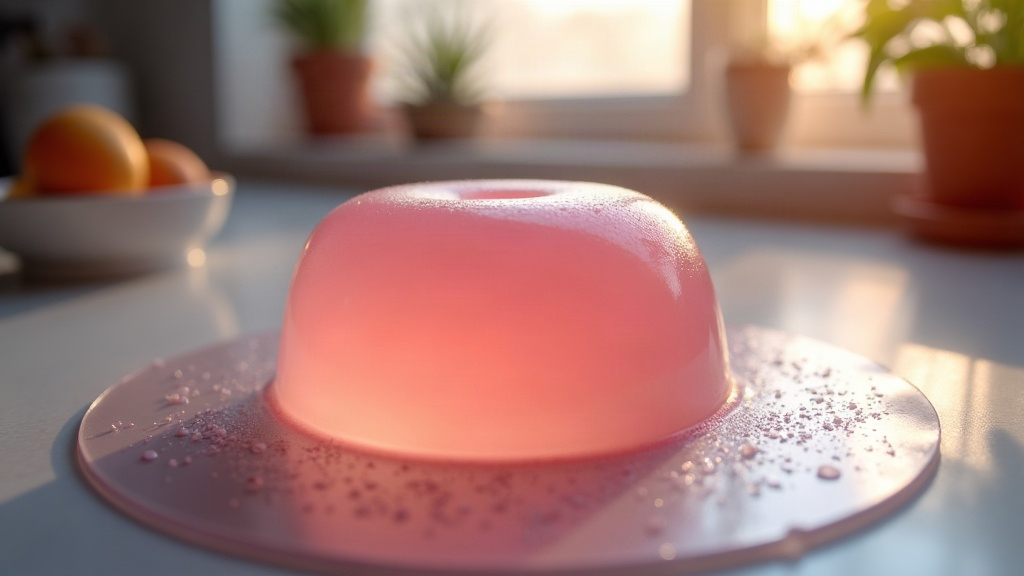
Before scrolling past another wellness ad, watch how a simple gelatin habit fits into daily routines — and why so many women are quietly revisiting it.
The Quiet Shifts Nobody Warns You About
Somewhere between one decade and the next, small things change — often without announcement.
Collagen Doesn't Ask Permission
Skin, joints, and connective tissue naturally shift over time. Gelatin is one of the traditional ingredients often discussed in conversations about collagen and daily habits.
Satiety Signals Get Noisy
That familiar 'I'm full' cue can feel less reliable on some days, turning mealtimes into a bit of guesswork.
Lean Mass Isn't Static
Muscle and lean tissue naturally change across life stages, which affects how the body feels from one week to the next.
Traditional Dieting Ignores Nuance
Generic calorie-counting plans rarely account for how differently women's bodies respond compared to one-size-fits-all advice.
Myths vs Facts: Metabolism & Women's Bodies
A lot of what circulates online doesn’t hold up once you look closer.
Metabolism only slows down because of age.
Metabolic rate is shaped by many factors — muscle mass, hormones, sleep, and daily habits — not age alone.
Skipping meals speeds everything up.
Irregular eating patterns can disrupt satiety cues and energy levels rather than simplify anything.
Every diet works the same for every woman.
Bodies respond differently based on individual history, habits, and composition — there’s no universal formula.
A Simple Framework Worth Understanding
Nothing complicated — just three ideas worth exploring before making any changes.
Step One — Observe Daily Patterns
Start by noticing habits around meals, hydration, and rest without judgment.
Step Two — Revisit Traditional Ingredients
Explore how ingredients like gelatin have been used in everyday cooking across generations.
Step Three — Build A Consistent Ritual
Small, repeatable habits tend to matter more than dramatic overnight changes.
Where This Habit Actually Comes From
Long before wellness trends existed, kitchens passed down the practice of simmering bones and connective tissue into gelatin-rich broths. It wasn’t marketed as a solution — it was simply how resourceful cooks used every part of an ingredient. Grandmothers stirred it into soups, molds, and desserts, treating it as a pantry staple rather than a supplement.
Insight: traditional food wisdom often predates modern research — which is part of why interest in gelatin has resurfaced today.
Signals Worth Paying Attention To
These are commonly discussed topics, not diagnostic checklists — always talk to a professional about anything concerning.
Skin Texture Shifts
Changes in elasticity or texture are commonly discussed in conversations about collagen.
Nail Changes
Brittle or slow-growing nails are sometimes mentioned alongside shifts in connective tissue.
Joint Stiffness
Mild stiffness after sitting or first thing in the morning is a common topic among women exploring wellness habits.
Unpredictable Hunger Cues
Feeling hungry shortly after eating, or not hungry at expected times, is worth noticing.
Energy Fluctuations
Energy that dips unpredictably throughout the day is often tied to broader lifestyle factors.
Weight Fluctuation Patterns
Weight that shifts without a clear pattern can prompt curiosity about body composition rather than just a number on a scale.
Women Sharing Their Everyday Experience

These statements reflect individual experiences shared voluntarily. Individual results may vary, and these testimonials are not a guarantee of any outcome.
Frequently Asked Questions
Hydrolyzed gelatin is gelatin that has been broken down into smaller particles, often making it easier to dissolve in liquids compared to traditional sheet or powdered gelatin.
No. This content is educational and is not intended to diagnose, treat, cure, or prevent any condition. Always consult a healthcare professional.
No single ingredient replaces overall dietary balance. Gelatin is typically discussed as one part of broader eating habits.
This content is designed for women curious about traditional wellness habits and body composition topics in general.
They’re related but not identical — gelatin is a cooked form of collagen, while collagen supplements are often processed differently. Both are frequently discussed in similar contexts.
Gelatin-based cooking traditions date back generations, long before modern wellness trends existed.
The short video linked on this page walks through the topic in more detail.
Curious About This Traditional Habit?
Watch the short video to see how gelatin fits into a simple, everyday wellness routine.
Advertising Disclosure: This page contains sponsored content and affiliate links. We may receive compensation if you choose to click through and make a purchase, at no additional cost to you. This helps support the content on this site.
Content Disclaimer: This content is for educational and informational purposes only. It has not been evaluated by the FDA and is not intended to diagnose, treat, cure, or prevent any disease or condition. Always consult a qualified healthcare professional before making any changes to your diet, lifestyle, or wellness routine.
Results Disclaimer: Individual results may vary. Testimonials and experiences shared on this page reflect personal opinions and are not a guarantee of any specific outcome.
© 2026 · All Rights Reserved